The 61st International Art Exhibition of La Biennale di Venezia as a lesson in attention. Under the curatorial project “In Minor Keys” by the late Koyo Kouoh, the exhibition asks visitors to slow down and engage art with their senses, to listen to the artists as oracles for a future in which intuition will reign alongside the chaotic reality of our times. Instead of the usual sprint from spectacle to spectacle, the exhibition unfolds like a musical score, a jazz improvisation across the Giardini, the Arsenale, and satellite venues from 9 May to 22 November 2026 (previews 6–8 May).
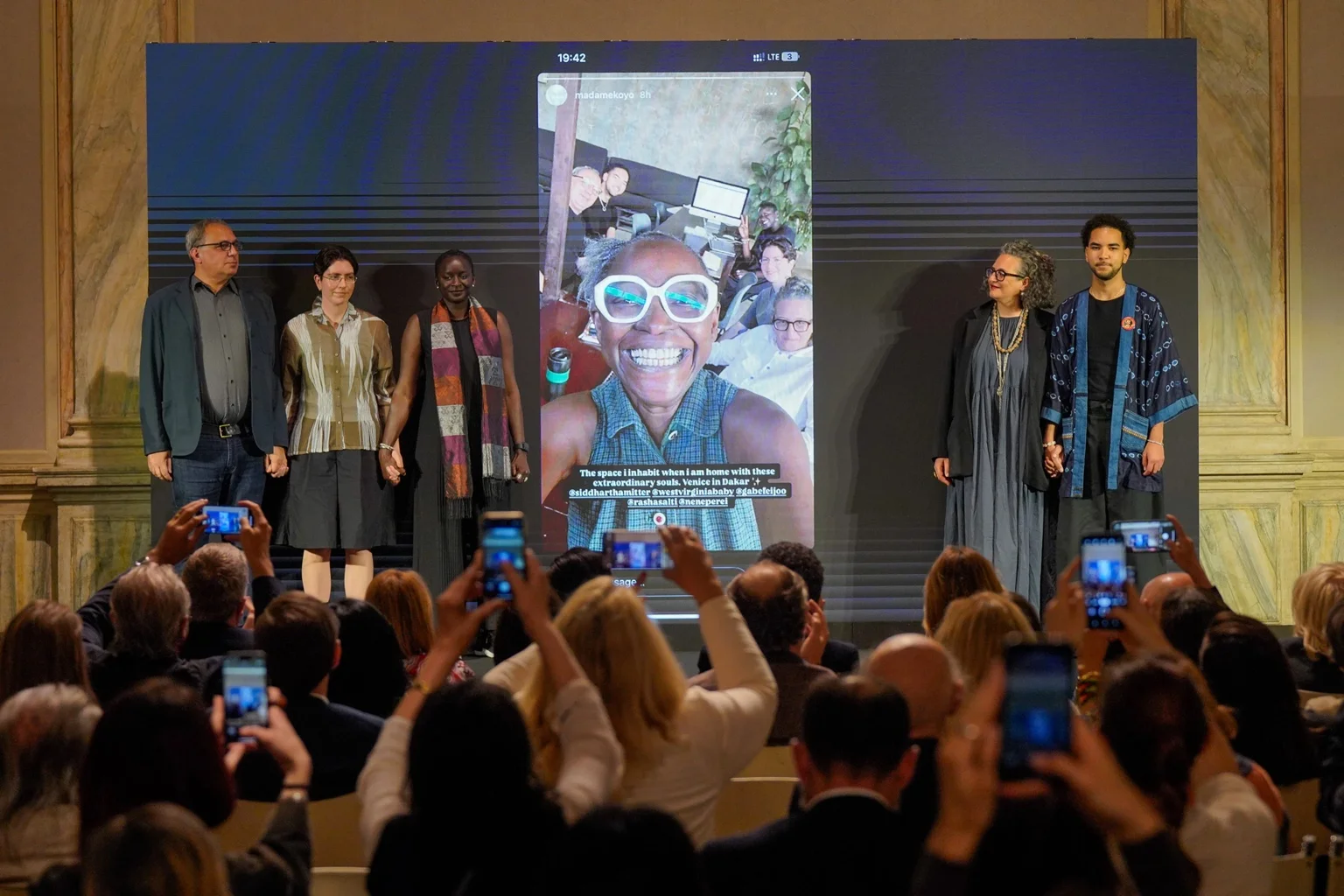
Biennale Arte 2026. Photo by Andrea Avezzù.
In Minor Keys: Curatorial Framework of Venice Biennale 2026
Kouoh’s legacy sets the tone. A Cameroonian‑Swiss curator and institution‑builder (RAW Material Company, Dakar; Zeitz MOCAA, Cape Town), she shaped exhibitions around Pan‑African and diasporic narratives and pedagogy. Biennale Arte 2026 is realised according to her proposal and by the professional team she selected, keeping faith with a curatorial methodology grounded in listening and polyphony. Visitors can expect rooms that braid sound, performance, moving image, painting, sculpture, and social practice, with time treated as a material: works of art that ask to be revisited rather than consumed at speed.
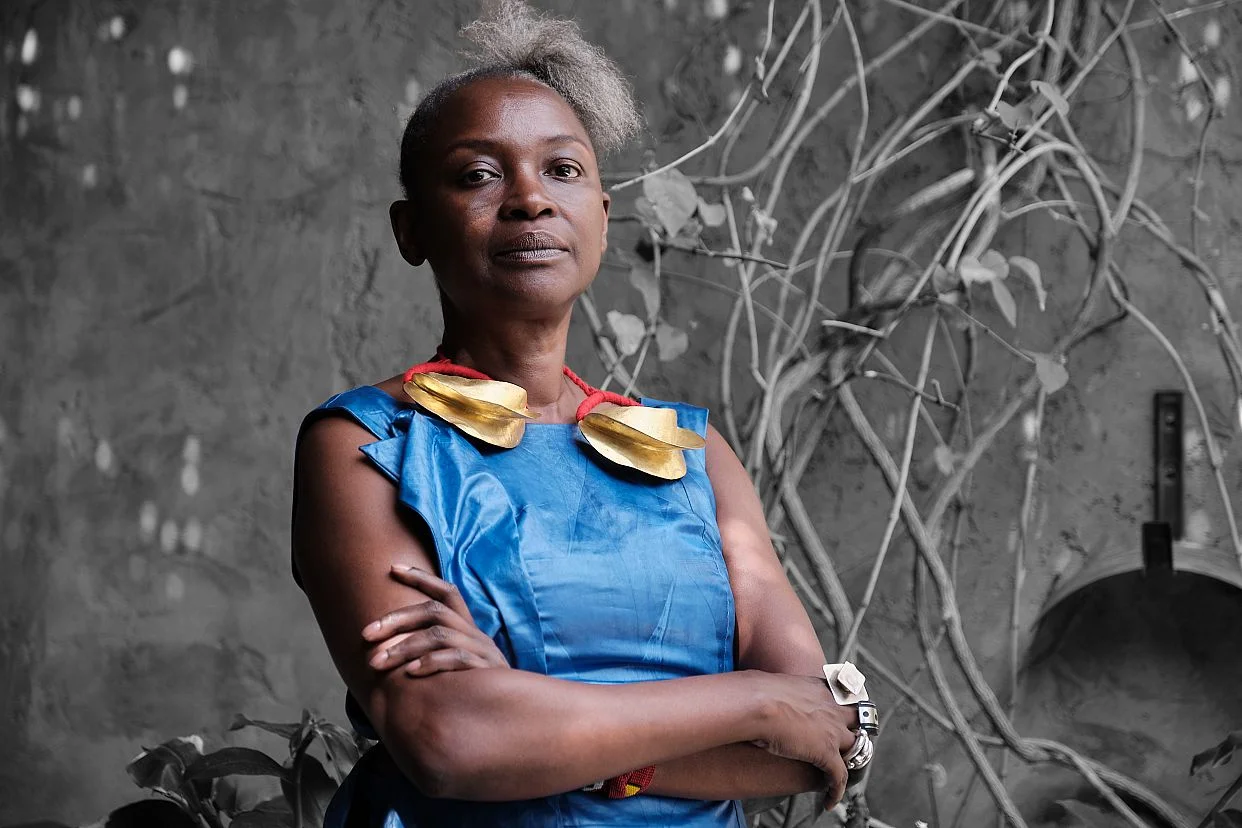
Koyo Kouoh. Photo by Emeka Okereke.
What’s New at Venice Biennale 2026: Why “In Minor Keys” Matters
In a season of constant alerts with climate headlines, algorithmic noise, brittle politics, “In Minor Keys” offers a counter‑practice: quiet attention as civic muscle. Rather than amplifying urgency until it blurs, the exhibition proposes ways to make meaning under pressure: tending care ecologies, treating islands and gardens as interdependent systems; practising listening through choirs, radios and quiet rooms; building schools and networks as artworks in themselves; and rewriting archives so broken lineages can be repaired. The stakes aren’t smaller, and the forms result more durable.
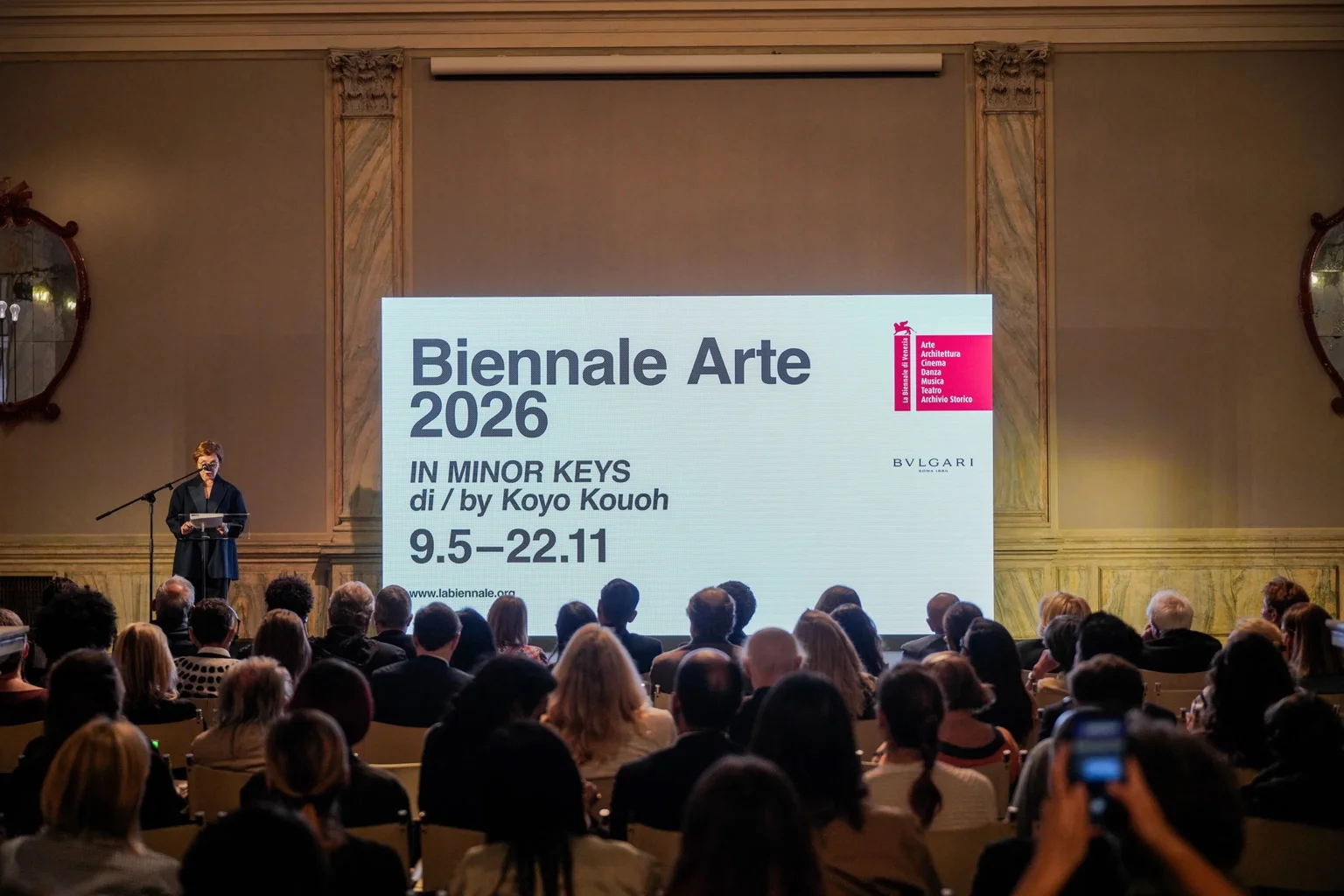
Biennale Arte 2026 “In Minor Keys” presentation. Photo by Andrea Avezzù. Courtesy of La Biennale di Venezia.
Beyond the Biennale: Foundations and Art Galleries in Venice
As national pavilion are now starting to reveal their representative for the 2026 edition, the rest of Venetian Lagoon amplifies this mood. A set of galleries and foundations across the city can be read through the Creole Garden metaphor: small plots, distinct soils, connected by water and breeze. The venues below cultivate a specific micro‑climate of practice and attention, and each sit naturally beside “In Minor Keys”.
Beatrice Burati Anderson - Art Space & Gallery (San Polo)
Near the canal in Corte Petriana, this gallery invites the city’s elements indoors: the sight of water just outside, a breeze that slips through, and a sand‑covered floor that absorbs sound and remaps time. Exhibitions are characteristically site‑responsive: drawing, sculpture, sound, and performance tuned to the room’s acoustics and textures so that material becomes memory and attention becomes method.
Programme and information: Beatrice Burati Anderson gallery
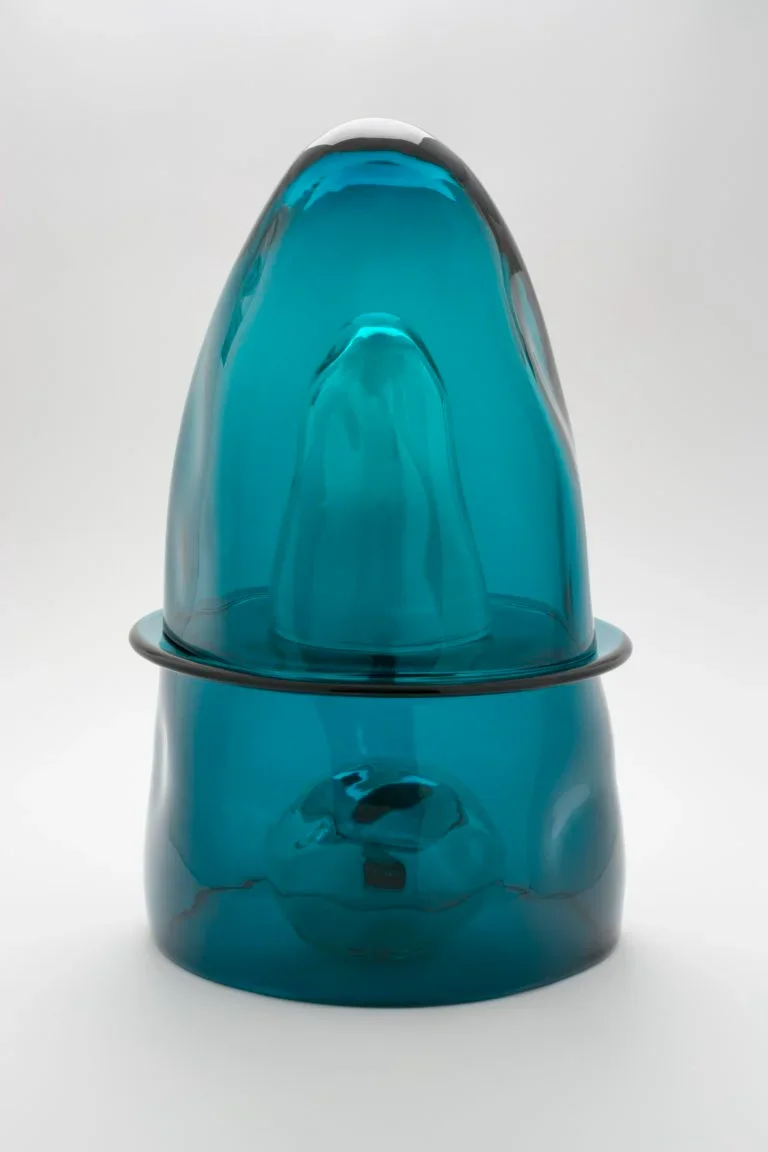
Tristano di Robilant, Sibilla. Courtesy of Venice Works.
A plus A Gallery & School for Curatorial Studies Venice (San Marco)
The gallery intertwines art exhibition programming with the School for Curatorial Studies Venice, using exhibitions as pedagogical engines. Projects are typically co‑curated with the School, placing emerging artists from Venice and abroad in thoughtful conversation. A recent example is SLOW MANIFESTO (May–July 2025), a gallery–school exhibition that treated slowness as method and mapped desire, manipulation, and authenticity through installations, video, and performance; an approach that mirrors Biennale Arte 2026’s emphasis on schools, ensembles, and learning as a form. Details: A plus A gallery
Galleria Alberta Pane (Dorsoduro)
For Biennale Arte 2026, the gallery presents “The materiality of Judy Chicago”, a solo exhibition by Judy Chicago, curated by Allison Raddock, on view May–Nov 2026. The project foregrounds material processes as meaning, situating Chicago’s decades‑long enquiry into form and feminism within Venice’s slower, attentive cadence.
Details: Alberta Pane gallery
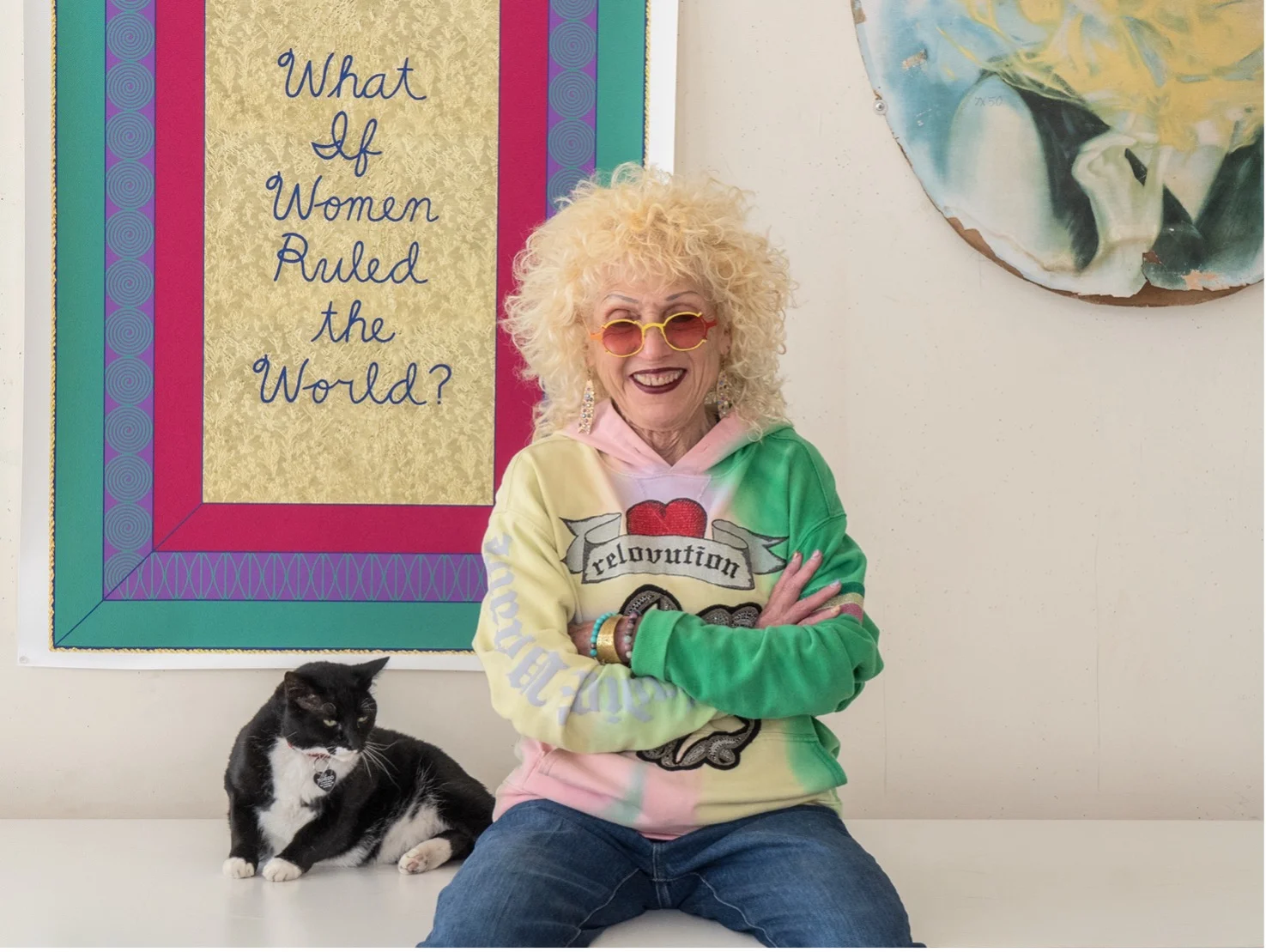
Judy Chicago in her studio, 2024. Photo © Chicago Woodman LLC; Donald Woodman/Artists Rights Society (ARS), New York.
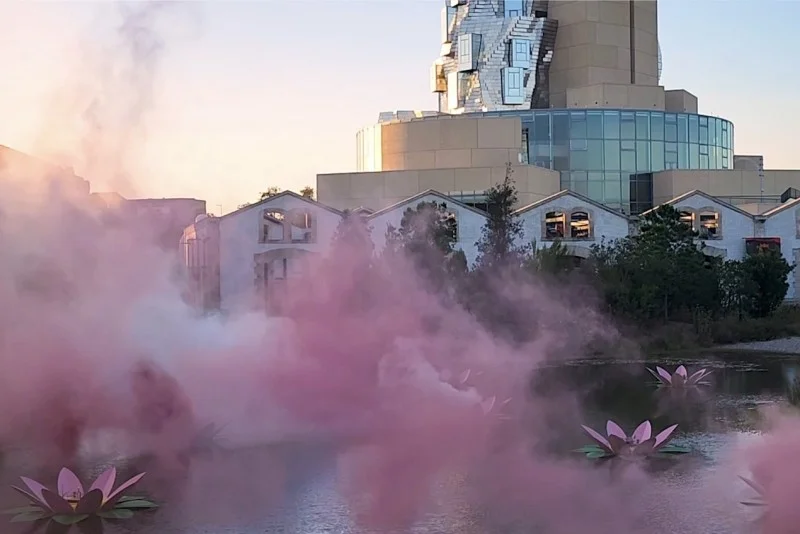
Judy Chicago, smoke and lotus installation from “The Materiality of Judy Chicago.” Courtesy of Galleria Alberta Pane / the artist.
Pinault Collection at Palazzo Grassi (San Marco)
For Biennale Arte 2026, Palazzo Grassi hosts two solo exhibitions in parallel: Michael Armitage (29 Mar 2026–10 Jan 2027) and Amar Kanwar (29 Mar 2026–10 Jan 2027), both curated by Jean‑Marie Gallais. Conceived as a double narrative within the palazzo’s enfilade, the curatorial concept sets up a quiet dialogue between painting and moving image: Armitage’s Kenyan‑made paintings on lubugo, where folklore, news imagery and personal memory overlap, converse with Kanwar’s film installations and text works that treat testimony, land, and justice as living archives. Together, the two shows explore how images circulate, how stories are carried by materials and voices, and how attention produces political clarity, echoing the minor‑key ethos of 2026.
Programme and tickets: Pinault Collection at Palazzo Grassi
Mare Karina (Castello)
A hybrid gallery/studio/incubator with European roots and a Venetian address, Mare Karina privileges project rooms, cross‑industry collaborations, and artist development. It is a place to see ideas mid‑air with laboratory‑style presentations that echo the Biennale’s emphasis on support structures as part of the artwork.
Information: Mare Karina gallery
Joystick (San Polo)
An independent cultural space where art meets craft without hierarchy, ceramics, wood, drawing, sound, and where exhibitions often emerge from making together. The mood is a neighbourhood studio, and it models the commons‑building ethos at the heart of In Minor Keys.
Details: joystick.space
Fondazione Bevilacqua La Masa (Galleria di Piazza San Marco & Giudecca)
Venice’s backbone for young artists, with ateliers and exhibition spaces that keep the city’s ecosystem grounded in production as much as presentation. Expect residency outcomes, archival conversations, and civic formats that trace how practice develops over time.
Information: Fondazione Bevilacqua La Masa
terzospazio and zolforosso (Santa Croce & satellite locations)
zolforosso is an artist‑run constellation of spaces that moves between studio, publishing, and exhibition, staging small, quick shows and conversations that reset the day’s rhythm. terzospazio is their project space. The willingness to keep the door open to dialogue makes this network a model of curating a shared practice.
Instagram’s profiles: terzospazio and zolforosso

“Come raccogliere il fuoco che ci attraversa,” installation by Irene Mathila Alaimo, Nelle Gevers, and Gabriele Longega.
Biennale Arte 2026: Practical Information
For official exhibitions, schedules, tickets, and the confirmed lists of National Pavilions and Collateral Events, consult La Biennale di Venezia labiennale.org/en/art/2026. Additionally, get the latest updates on exhibition and events by subscribing to the newsletter. By choosing a lower register, Biennale Arte 2026 proposes a world stage where repair replaces shock, listening replaces noise, and ensembles outpace solo heroics.